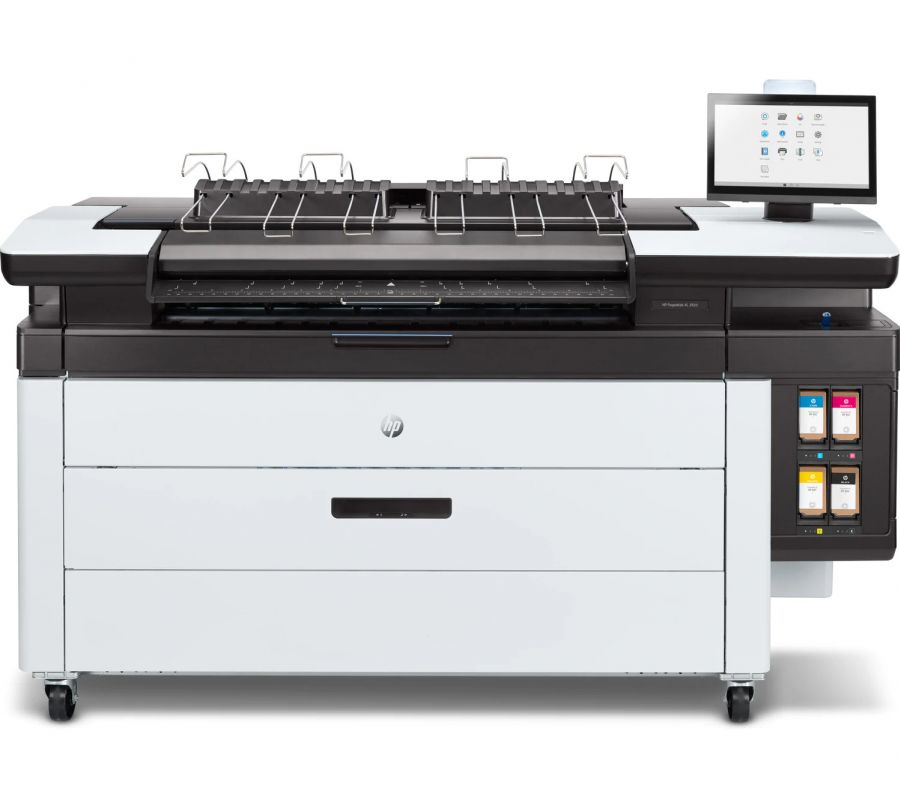
Top Industries That Benefit from Wide Format Printers
industries wide format printers is most useful when it helps you make a confident buying decision without overpaying. This guide explains what to compare, what to avoid, and how to choose next steps, including where to get free wide format printer quotes when you are ready.
High-impact industries
- Architecture, engineering, and construction
- Retail and franchise signage
- Marketing and creative agencies
- Manufacturing and prototyping
- Education and event production
Why these teams benefit
- Faster turnaround for revisions
- Lower outsource spend
- Better control over quality
- On-demand production for deadlines
For many organizations, the speed advantage alone justifies the investment.
Practical evaluation framework
A strong industries wide format printers decision depends on four things: current volume, target outcomes, contract terms, and operational support. Start by defining what success looks like over 12 to 36 months. For some teams, success means reducing monthly costs. For others, it means minimizing downtime, improving reliability, or increasing internal productivity. Make your success criteria explicit before comparing vendors.
Next, gather baseline data. Capture average monthly usage, seasonal peaks, department-level behavior, and known bottlenecks. This gives you a realistic operating profile instead of a guess. Vendors can only provide accurate recommendations when your input data is accurate. If you skip this step, pricing and recommendations are often misaligned with real usage.
Then validate contract mechanics. Many organizations focus only on headline price and ignore clauses that materially affect total cost. Review service level commitments, overage rules, minimums, response-time definitions, and renewal language. Verify what is included and what becomes billable over time. Written clarity in the contract prevents budget surprises later.
After contracting, execution quality drives results. Establish a simple monthly review cadence with clear metrics: uptime, ticket resolution time, volume trends, and cost variance against forecast. If performance drifts, corrective action should happen early, not at renewal time. Teams that treat this as an ongoing program usually get better outcomes than teams that treat it as a one-time purchase.
Implementation checklist
- Confirm baseline usage and expected growth.
- Define a realistic budget range and timeline.
- Compare at least three vendor proposals.
- Validate service and support commitments in writing.
- Ask for clear assumptions behind pricing.
- Review security, compliance, and data handling requirements.
- Pilot or test where possible before full rollout.
- Assign an owner for monthly performance reviews.
Common mistakes to avoid
A common mistake is underestimating the importance of process and support. Technology alone rarely fixes workflow issues. Another mistake is choosing a vendor based on a short-term discount while ignoring long-term contract structure. Teams also miss value when they fail to train users or enforce practical policies. Finally, organizations often delay performance reviews until renewal, which limits leverage and creates reactive decision making.
Final recommendation
Use this guide to make a structured decision, not just a fast one. When your requirements, costs, and expectations are documented up front, vendor comparisons become straightforward and defensible. If you want market pricing and a practical benchmark, get free wide format printer quotes and compare options using the same criteria.
Practical evaluation framework
A strong industries wide format printers decision depends on four things: current volume, target outcomes, contract terms, and operational support. Start by defining what success looks like over 12 to 36 months. For some teams, success means reducing monthly costs. For others, it means minimizing downtime, improving reliability, or increasing internal productivity. Make your success criteria explicit before comparing vendors.
Next, gather baseline data. Capture average monthly usage, seasonal peaks, department-level behavior, and known bottlenecks. This gives you a realistic operating profile instead of a guess. Vendors can only provide accurate recommendations when your input data is accurate. If you skip this step, pricing and recommendations are often misaligned with real usage.
Then validate contract mechanics. Many organizations focus only on headline price and ignore clauses that materially affect total cost. Review service level commitments, overage rules, minimums, response-time definitions, and renewal language. Verify what is included and what becomes billable over time. Written clarity in the contract prevents budget surprises later.
After contracting, execution quality drives results. Establish a simple monthly review cadence with clear metrics: uptime, ticket resolution time, volume trends, and cost variance against forecast. If performance drifts, corrective action should happen early, not at renewal time. Teams that treat this as an ongoing program usually get better outcomes than teams that treat it as a one-time purchase.
Implementation checklist
- Confirm baseline usage and expected growth.
- Define a realistic budget range and timeline.
- Compare at least three vendor proposals.
- Validate service and support commitments in writing.
- Ask for clear assumptions behind pricing.
- Review security, compliance, and data handling requirements.
- Pilot or test where possible before full rollout.
- Assign an owner for monthly performance reviews.
Common mistakes to avoid
A common mistake is underestimating the importance of process and support. Technology alone rarely fixes workflow issues. Another mistake is choosing a vendor based on a short-term discount while ignoring long-term contract structure. Teams also miss value when they fail to train users or enforce practical policies. Finally, organizations often delay performance reviews until renewal, which limits leverage and creates reactive decision making.
Final recommendation
Use this guide to make a structured decision, not just a fast one. When your requirements, costs, and expectations are documented up front, vendor comparisons become straightforward and defensible. If you want market pricing and a practical benchmark, get free wide format printer quotes and compare options using the same criteria.